
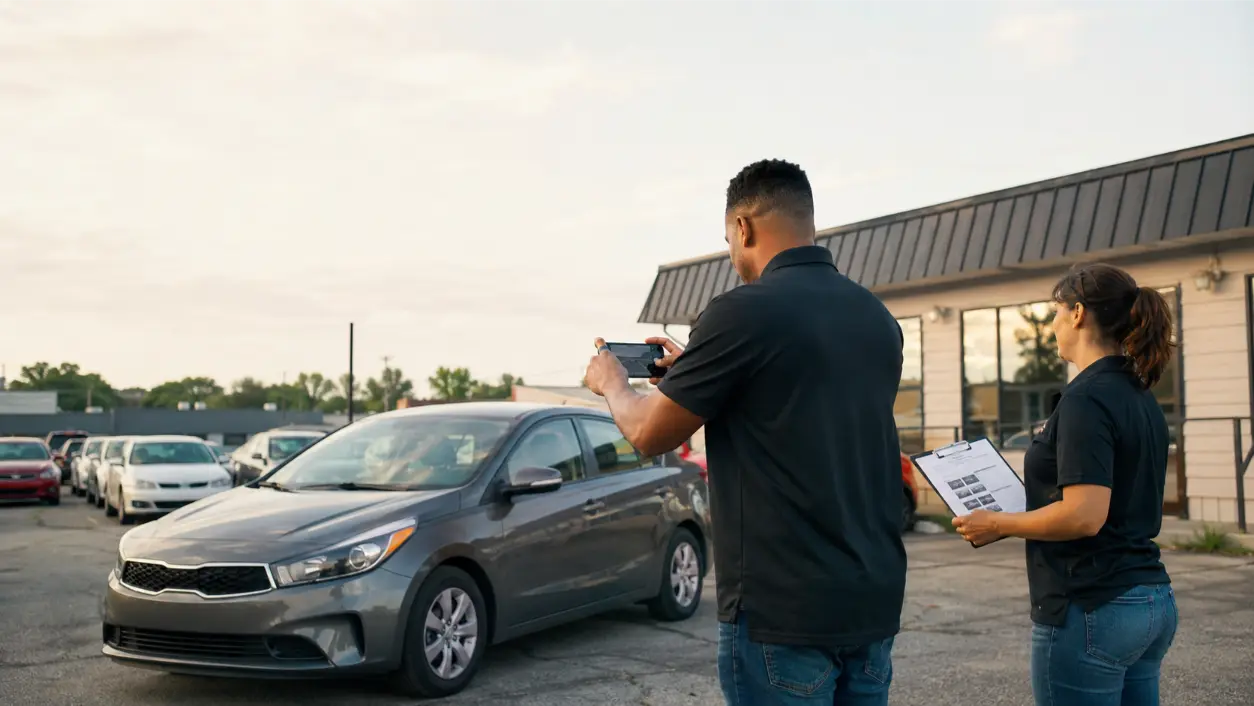
A strong dealer website trust strategy starts before a shopper ever calls, texts, or submits a financing form. Independent used-car buyers often research the dealership itself at the same time they research the vehicle. They want to know whether the business is real, whether the inventory is current, whether financing claims are understandable, whether other customers have dealt with the store, and whether the website gives them enough information to feel comfortable taking the next step. For an independent or Buy Here Pay Here dealer, the website is often the first place that credibility is either built or lost.
Turbo Dealer Websites is designed for independent retail and BHPH dealerships with mobile-first website design, dealership-specific SEO, inventory and vehicle detail pages, Smart Forms, analytics, call tracking, CRM-ready routing, and ongoing support. Those tools can help a store present its operation clearly, but trust does not come from technology alone. It comes from using the website to make the dealership easier to verify, understand, and contact.
Why Shoppers Verify the Dealer Before They Visit
The Federal Trade Commission advises used-car shoppers to research a dealer before visiting, including checking the company’s reputation online and looking for complaints. It also recommends confirming advertised pricing, discounts, vehicle availability, warranty information, and other purchase details in writing when possible. That means a dealer website is being evaluated as evidence, not just advertising.
A shopper who has never heard of an independent dealership may be asking several questions at once: Is this a real business? Is the address legitimate? Are the vehicles actually there? Will the advertised price change when I arrive? Does the dealership explain financing honestly? Can I find someone to contact if something goes wrong? A trustworthy website answers as many of those questions as possible before the shopper has to ask them.
1. Show the Real Dealership, Not Just Stock Graphics
Authentic photography is one of the simplest trust signals a dealer controls. Shoppers should be able to see the actual storefront, lot, showroom, staff environment, and vehicles. Professionally shot images can look polished without looking generic.
A website dominated by stock photos, anonymous car keys, generic smiling models, or images that do not resemble the dealership can create a disconnect when the customer arrives. Real photography helps connect the website to a physical place.
- Show the exterior and recognizable entrance.
- Include current lot and showroom photos.
- Use real inventory photography whenever possible.
- Keep staff photos current if employees are shown.
- Avoid fake review graphics, artificial approval badges, or unverifiable awards.
2. Make the Business Easy to Verify
The dealership name, address, phone number, operating hours, and contact paths should be easy to locate and consistent across the site. A shopper should not have to hunt through a footer to confirm whether the business has a real location.
Consistency matters even more for multi-location dealers. Each rooftop should have a clear location page, correct phone routing, accurate hours, and distinct local information. Old addresses, disconnected numbers, mismatched store names, or conflicting hours can make a legitimate dealer look unreliable.
Turbo Dealer’s dealer onboarding process collects dealership-specific information such as address, hours, phone numbers, markets served, inventory provider, payment options, trade-ins, service details, and CRM information. That operational detail is useful because a website feels more credible when it reflects how the store actually operates instead of using generic template copy.
3. Keep Inventory Accurate and Vehicle Pages Useful
Inventory is one of the fastest ways to build or lose credibility. If a shopper repeatedly clicks vehicles that are already sold, sees inconsistent mileage or pricing, or cannot tell whether the unit is actually available, trust drops before a salesperson ever gets a chance to explain.
Vehicle detail pages should make the most important available information easy to scan. Depending on the dealership’s data and policies, that may include year, make, model, mileage, price or price-request status, key features, vehicle photos, stock number, VIN, history information when authorized, warranty or service-contract information when applicable, and a clear way to ask a question.
Do not fill VDPs with invented descriptions or claims that cannot be supported. If a vehicle is sold as-is, has limited coverage, or has conditional warranty terms, the website should not imply something stronger.
4. Explain Financing Without Turning It Into a Promise
Financing is a major trust test for BHPH and credit-challenged shoppers because the subject is personal and consequential. Phrases such as “everyone approved,” “guaranteed approval,” or “no credit check” can attract attention, but they can also create distrust if the actual process is conditional.
A stronger website explains what the dealership can accurately say: which financing paths are available, whether the store offers BHPH or works with outside lenders, which documents may be requested, how the application process works, and what happens after a form is submitted. Rates, down payments, terms, and approval should be qualified when they vary by applicant.
Turbo Dealer offers Smart Credit Forms and lead-routing capabilities. The trust value comes from pairing those forms with clear surrounding copy: why information is requested, what the shopper should expect next, and which claims the dealership is authorized to make.

5. Make Warranty and Vehicle-Condition Information Clear
The FTC Used Car Rule requires most used-car dealers to display a Buyers Guide on used vehicles offered for sale. The Buyers Guide tells consumers whether the vehicle is being sold as-is or with a warranty and provides other important purchasing information. The FTC also tells online used-car shoppers they are entitled to a Buyers Guide when they buy a used car online.
A dealer website does not replace the legally required Buyers Guide, but its content can reinforce the same principle: avoid vague warranty language. If coverage varies by vehicle, say so. If the dealership offers service contracts, distinguish them from warranties. If a claim depends on eligibility, mileage, age, provider rules, or written terms, make that clear.
6. Use Reviews as Evidence, Not Decoration
Reviews can help shoppers judge how other people experienced the dealership, but the strongest use of reviews is transparent. Link to recognizable third-party review profiles when appropriate, use current review information, and avoid displaying a star rating that is no longer accurate.
Testimonials published by the dealership should not be presented as independent verification. If the store uses a customer quote, identify it as a testimonial and avoid editing it into a guaranteed outcome. A few believable, attributable experiences are more useful than a wall of generic praise.
7. Explain the Next Step Before Asking for Personal Information
A lead form asks the shopper to exchange information for help. Trust improves when the value of that exchange is obvious. A vehicle inquiry can say that the team will confirm availability or answer questions. A trade-in form can explain that the store will review vehicle details. A financing form can explain that the information is used to evaluate available options, subject to the dealership’s actual process and disclosures.
Keep forms as focused as the workflow allows. If a field is necessary, make sure the page gives enough context for the shopper to understand why the dealership needs it. The site should also use secure connections and an accessible privacy policy appropriate to the dealership’s actual data practices.
8. Let the Website Prove the Dealer Knows Its Market
Local content should do more than repeat a city name. Useful dealership location content can explain nearby communities served, directions, how the store fits the local market, vehicle types commonly sought in the area, and real dealership policies that matter to local shoppers.
That local context supports both dealership website credibility and organic search. Turbo Dealer positions local SEO, technical SEO, keyword tracking, schema markup, Search Console monitoring, and content analysis as part of its website approach. Those tools are most effective when the underlying information is accurate and specific.
9. Make the Website Look Maintained
Trust is damaged by small signs of neglect: expired promotions, broken forms, missing images, old inventory, outdated hours, duplicated pages, placeholder copy, or links to another dealership. A shopper may reasonably assume that if the public website is not maintained, other parts of the business may be disorganized too.
Create a recurring website review that checks the homepage, inventory feed, contact information, financing pages, promotions, forms, privacy links, mobile experience, and important local pages. Turbo Dealer’s ongoing support and paid support packages are relevant here because dealership websites need maintenance after launch, not just setup.
10. Build Trust Before the CTA
A website should not ask for a credit application in the first few seconds without first giving the shopper reasons to trust the dealership. Place proof and clarity before high-friction asks. A useful sequence is: identify the business, show real inventory, explain the process, answer common concerns, provide proof, then offer a next step.
That does not mean burying the CTA. It means surrounding the CTA with enough context that the shopper understands who will receive the information and what will happen next.
Dealer Website Trust Checklist
- Use current photos of the actual dealership and inventory.
- Display consistent dealership name, address, phone number, and hours.
- Keep inventory availability, mileage, pricing, and vehicle details current.
- Explain financing options and application steps without guaranteed approval claims.
- Clarify warranty, as-is, and service-contract language where relevant.
- Link to legitimate review profiles and identify first-party testimonials accurately.
- Use secure, purposeful lead forms with clear next-step expectations.
- Publish a privacy policy that reflects the dealership’s real data practices.
- Create useful local content tied to the dealership’s actual markets.
- Remove expired offers, broken links, duplicate content, and off-brand references.
- Make mobile pages fast and easy to navigate.
- Review the site regularly rather than treating launch day as the finish line.
Frequently Asked Questions
What are the strongest used car dealer website trust signals?
The strongest signals are usually verifiable business information: a real address and phone number, authentic dealership and inventory photos, current vehicle details, clear financing and warranty information, recognizable third-party reviews, secure forms, and consistent local information. None of these alone proves a dealership is trustworthy, but together they reduce uncertainty for shoppers.
Should a BHPH website promise approval?
Only if the dealership has legally reviewed and operationally supports that exact claim. In most cases, safer and more credible content explains the dealership’s financing process and qualifies approval, down payment, rate, and term language when those details depend on the applicant.
Do real dealership photos matter?
Yes. Authentic exterior, lot, showroom, staff-environment, and vehicle photography helps connect the online experience to a real physical business. It also reduces the mismatch created by generic stock imagery.
How often should dealer website information be reviewed?
Inventory may need continuous or frequent updates, while hours, contact information, financing pages, offers, location pages, forms, and policy links should be reviewed on a recurring schedule and whenever dealership operations change.
Can a website make an independent dealer look more credible?
It can support credibility by making the business easier to verify and understand. A website cannot substitute for good dealership operations, accurate advertising, compliant disclosures, or customer service, but it can make those strengths visible before the first contact.
Trust Is Built Before the Lead Form Is Submitted
Independent dealers do not need a website that merely looks modern. They need a digital storefront that answers the questions shoppers use to decide whether the dealership deserves a call, visit, or application. Real photos, accurate inventory, financing clarity, current business information, credible reviews, and well-maintained forms reduce uncertainty and help better-qualified shoppers move forward.
Turbo Dealer Websites is designed for independent retail and Buy Here Pay Here dealers that want a managed, mobile-first website with dealership-specific SEO, inventory tools, Smart Forms, analytics, lead routing, and ongoing support. Dealers evaluating whether their current site communicates enough credibility can review Turbo Dealer Websites or use the dealer onboarding form to see the dealership-specific information used to build and localize a site.
Marketing, consumer-finance, and compliance disclaimer: This article provides general educational information and is not legal, regulatory, credit, privacy, or advertising advice. Used-car disclosure requirements, warranty rules, financing language, privacy obligations, telemarketing rules, and state dealer requirements can vary. Dealerships should use current counsel-approved disclosures and ensure website claims match actual inventory, programs, policies, and consumer-facing documents.
RELATED LINK: Federal Trade Commission — Buying a Used Car From a Dealer